
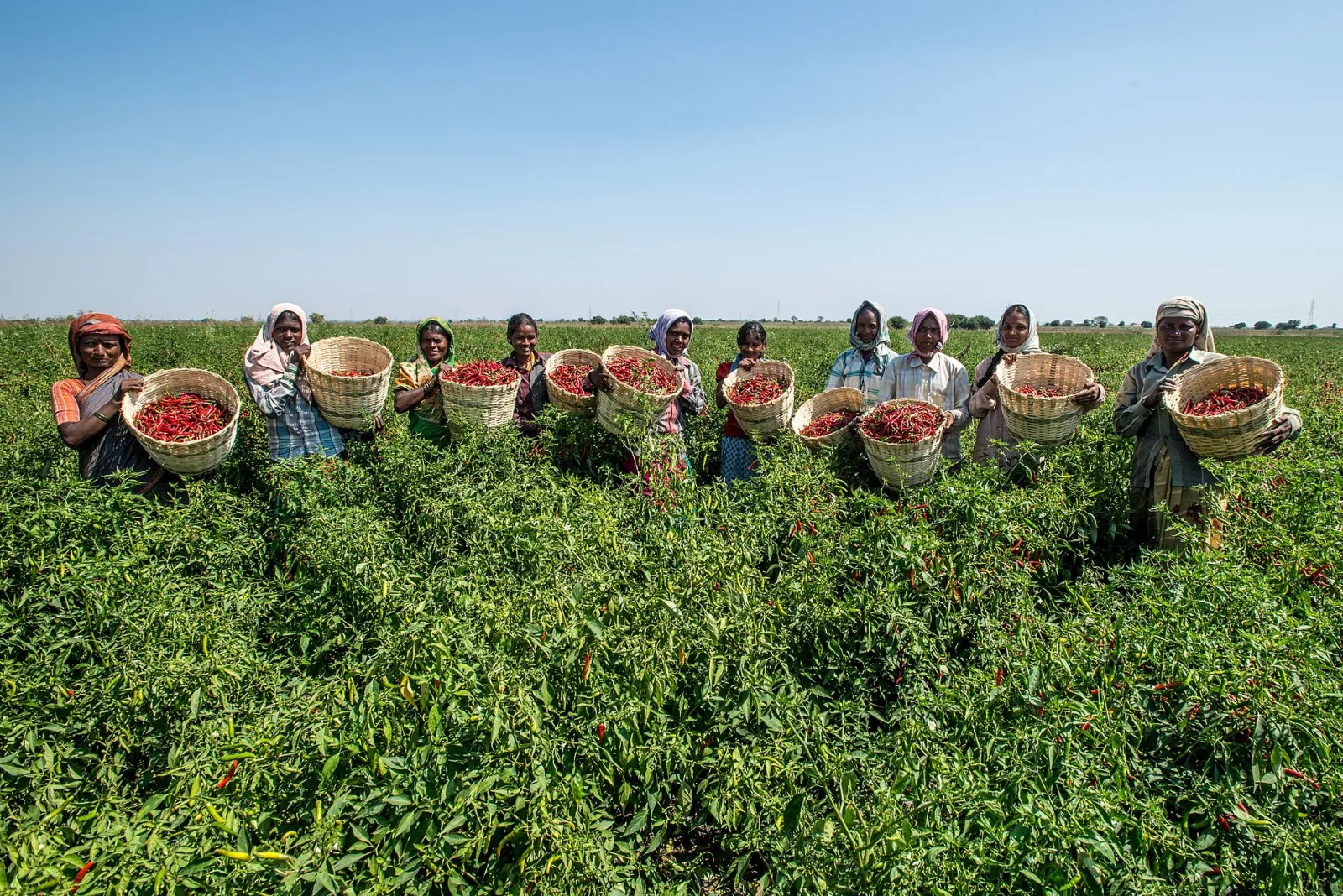
FPOs Explained: How a Farmers’ Company Works
Who owns an FPO, how it makes money, how to join one and what support is available — a plain-language guide.
Farmer Producer Organisations are at the centre of India’s plan to make small farmers more competitive. But many farmers still ask: what exactly is an FPO, and how does it work?
What is an FPO?
An FPO is a business owned and controlled by farmers. It is usually registered as a producer company under the Companies Act or as a cooperative society. Members buy shares, elect a board of directors from among themselves and hire professional staff — often a CEO and an accountant — to run daily operations.
How does it make money?
- Input business: buying seed, fertiliser and other inputs in bulk and selling to members at fair prices.
- Output business: collecting, grading and selling members’ produce to bigger buyers.
- Services: machinery hiring, storage, soil testing, drying and processing.
- Value addition: processing and branding products.
Profits can be reinvested in the business or shared with members.
Support available
Under the central scheme for 10,000 FPOs, eligible FPOs get a matching equity grant of up to ₹2,000 per farmer member (up to ₹15 lakh per FPO), credit guarantee cover for loans up to ₹2 crore, and support from Cluster-Based Business Organisations. FPOs can also trade on e-NAM — 4,724 FPOs were registered on the platform by early 2026.
How to join or start one
- Ask your district agriculture office, NABARD, SFAC or Krishi Vigyan Kendra about FPOs in your area.
- Check the FPO’s accounts, board and business before buying shares.
- To start a new FPO, bring together farmers growing similar crops in a cluster and approach an implementing agency.
What makes an FPO succeed
Active members, honest accounts, a professional manager and a clear business focus. An FPO is a company — it must be run like one.
लेखक के बारे में
Mamta Jain · Editorial TeamStories from the KHETI BIZ editorial team in New Delhi — agriculture business, markets, technology, policy and the people transforming Indian farming.
 अगली ख़बर →
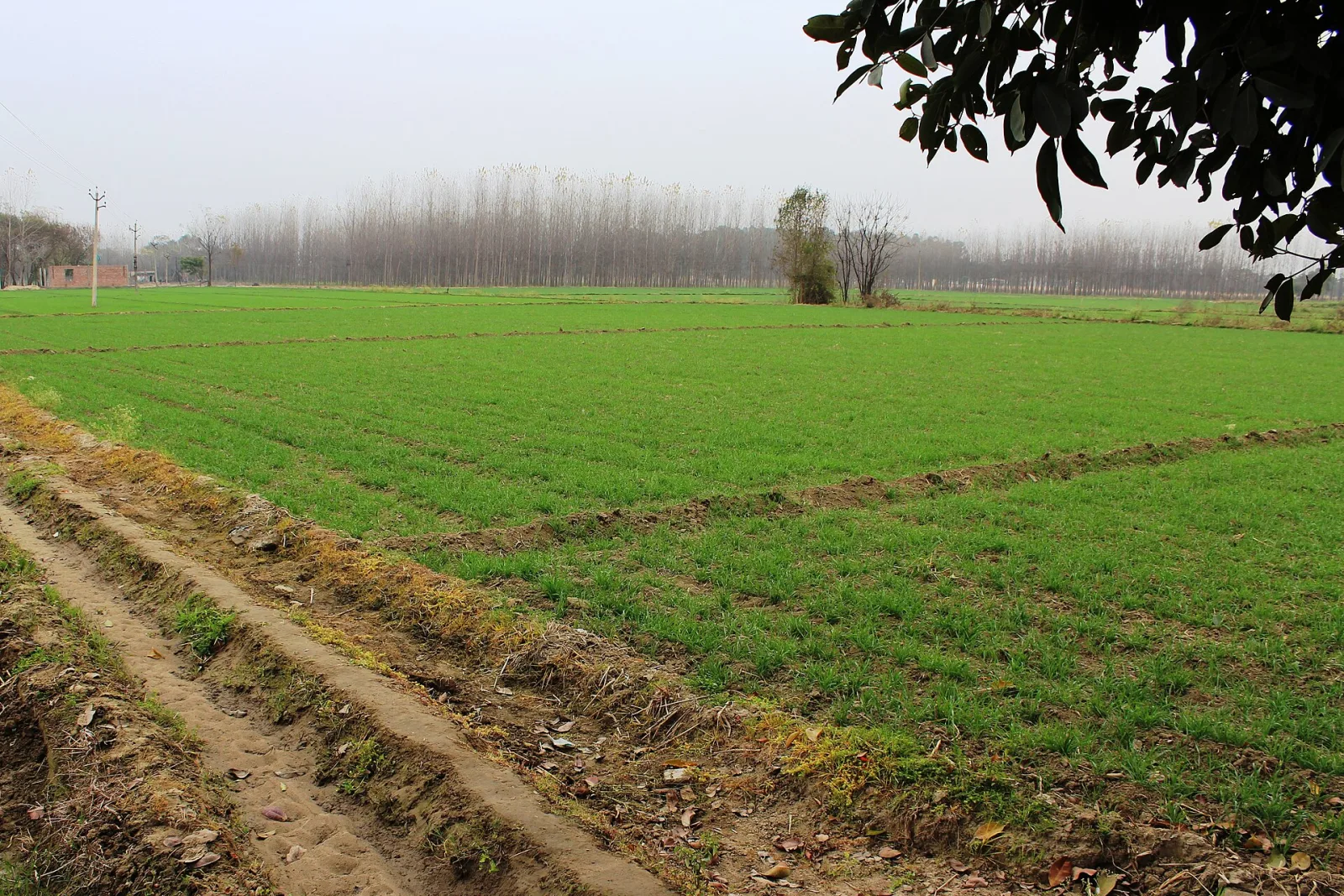
India’s Agricultural Economy: The Next Big Opportunity
टिप्पणियां (0)
चर्चा में शामिल हों
टिप्पणी, जवाब और पसंद के लिए Google से साइन इन करें।