
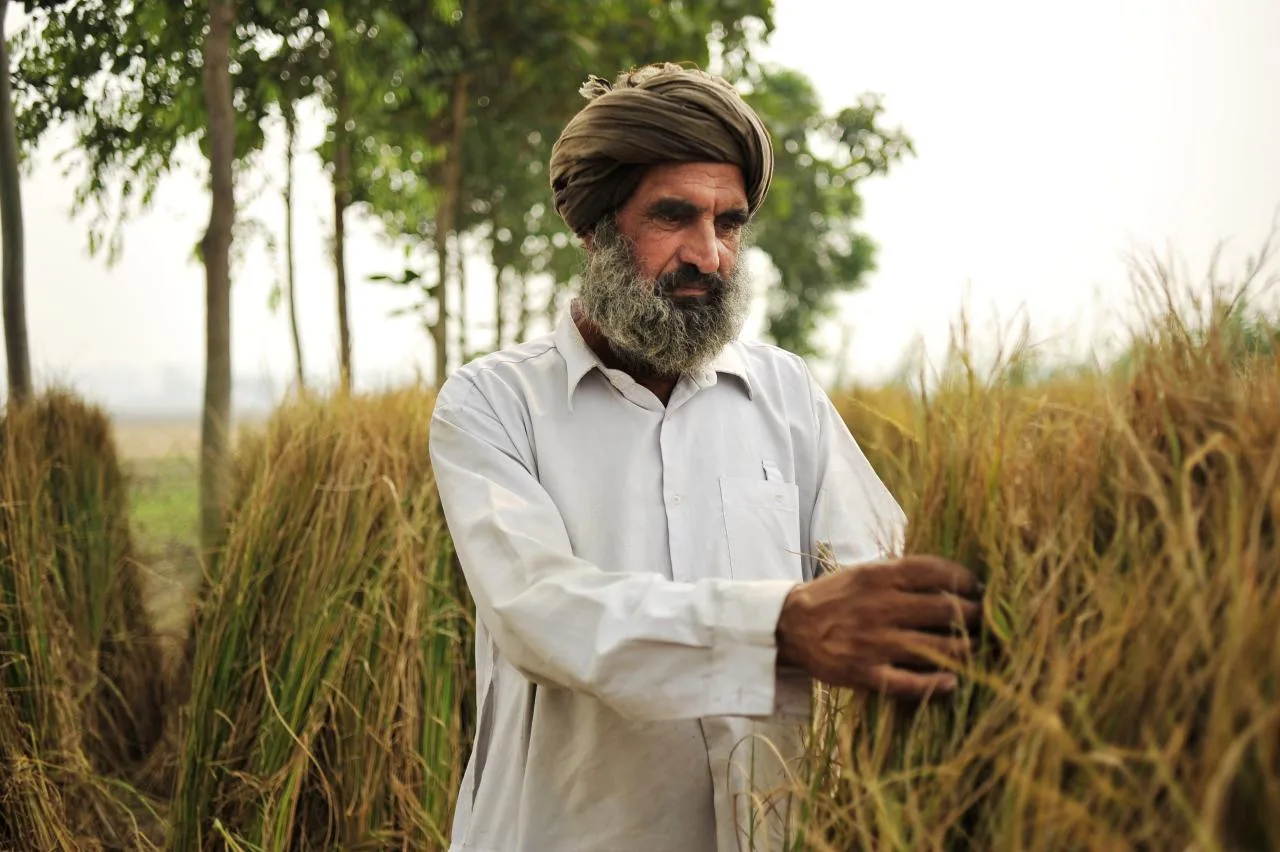
From Traditional Farming to Entrepreneurial Farming
The next leap in Indian agriculture will not come only from higher yields. It will come from farmers who run their farms like businesses.
For generations, success on an Indian farm was measured in quintals per acre. Higher yield meant a better year. That measure still matters — but it is no longer enough. Two farmers can grow the same crop with the same yield and earn very different incomes. The difference is rarely the soil. It is the way they plan, sell and manage their farm.
That is the big idea behind our first issue: the farm is an enterprise. KHETI BIZ believes the true transformation of Indian agriculture will happen when farmers see their farms not merely as fields of production, but as enterprises of growth.
Five shifts that turn a farm into a business
1. Know your numbers
A business knows its cost of production. Write down every rupee spent on seed, fertiliser, labour, diesel, water and transport, and every rupee earned. A simple notebook or a free phone app is enough. Once you know your cost per quintal, you know the price below which you should not sell.
2. Plan the market before you sow
Traditional farming decides the crop first and looks for a buyer later. Entrepreneurial farming asks who will buy, at what price and when — before sowing. Talk to traders, processors, your Farmer Producer Organisation (FPO) and check mandi price trends.
3. Capture more of the value
The farmer usually sells the raw product and someone else earns from cleaning, grading, packing, processing and branding it. Even simple steps like grading and storing can raise the price you get.
4. Grow together
A small farmer alone has little bargaining power. A group of farmers buying inputs together and selling together is a business partner that companies want to work with. This is the idea behind FPOs.
5. Use technology and formal finance
Soil testing, drip irrigation, drones, weather alerts and digital markets help farmers reduce cost and risk. Formal credit and government schemes help them invest in storage, machinery and processing instead of borrowing at high interest.
The mindset change
None of this replaces the wisdom of the farmer. It builds on it. Agricultural wisdom combined with business intelligence helps farmers unlock higher incomes, reduce risks and build lasting prosperity for the next generation.
In this issue we look at how India’s agricultural economy is changing, how farmers are becoming entrepreneurs, how technology is transforming the field and how women are leading the way. Each story ends with something you can use.

About the author
Mamta Jain · Editorial TeamStories from the KHETI BIZ editorial team in New Delhi — agriculture business, markets, technology, policy and the people transforming Indian farming.
 Next story →
KHETI BIZ Vol. 1, Issue 1 is here: The Business of Agriculture


Comments (0)
Join the conversation
Sign in with Google to comment, reply and like.